Loading...
Serving Springfield, VA and surrounding areas. (571) 788-4608
Springfield's clay soil shifts with every season. We build slab foundations that account for that movement - with proper soil prep, rebar, and Fairfax County permits handled for you.
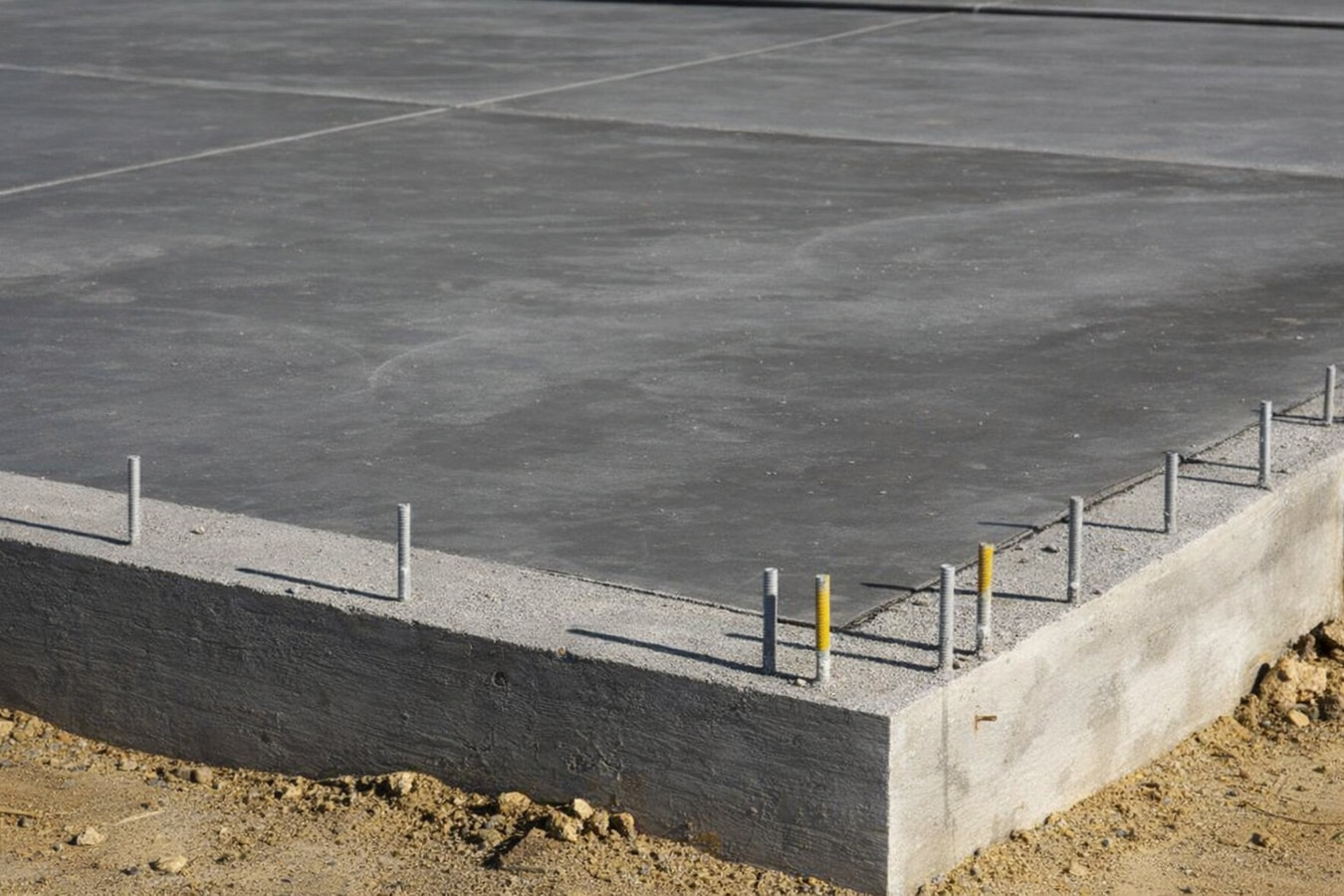
Slab foundation building in Springfield means excavating, grading, and compacting the subgrade, installing steel reinforcement and any under-slab plumbing, passing a Fairfax County pre-pour inspection, and then pouring a flat concrete platform that serves as both the floor and the structural base - most jobs take three to seven days of active work, with a 28-day curing period before heavy framing loads are applied.
If you are adding an attached room, a detached garage, or any structure to a Springfield property, a new slab is almost always the starting point. The challenge here is the local soil: Fairfax County's Piedmont clay expands when wet and shrinks when dry, and a slab poured on poorly prepared ground will show cracks within a few years. That soil prep step - compaction, gravel base, drainage - is what separates a long-lasting slab from one that becomes a problem. If your project also includes foundation installation for a larger structure, we can scope both together during the estimate visit.
If doors or windows have started sticking or no longer sit flush in their frames, the foundation beneath them may have shifted. In Springfield's clay-heavy soil, this movement is common after a wet spring or a dry summer. It does not always signal a crisis, but it is worth getting a concrete contractor to look before the problem gets worse.
Hairline cracks in drywall are normal in any house, but diagonal cracks that radiate from the corners of door frames or windows - especially if they are wider than a pencil line - often signal that the foundation is moving unevenly. This pattern is particularly common in older Springfield homes built on clay soil. If you see it in more than one room, get a professional opinion.
If you are adding a room, a garage, a workshop, or any other structure to your property, you will need a new slab foundation for that addition. This is a planned construction project, and the right time to think about it is before you finalize your addition plans - so the foundation can be sized and positioned correctly from the start.
Springfield gets significant rainfall, particularly in late spring and early fall, and homes where the ground slopes toward the foundation are at higher risk of water intrusion and soil erosion under the slab. If you regularly see standing water near your foundation after a storm, a contractor can assess whether your existing slab is at risk and what drainage corrections might help.
Most of our slab work in Springfield falls into one of two categories: new slabs for additions or accessory structures, and slab replacements where an existing pour has shifted beyond what patching can fix. In both cases we start with soil assessment - because no two lots in this area behave the same, especially on clay-heavy ground with mature trees nearby. Every slab we pour includes a compacted gravel base, properly spaced rebar, control joints to manage cracking, and Fairfax County permit and inspection coordination from start to finish.
For homeowners whose projects extend to full structural work, we also handle foundation installation - poured concrete wall foundations for basements and crawl spaces - and concrete footings that transfer structural loads safely into the ground. Whether you need a standalone slab for a detached garage or a complete foundation package for a home addition, we scope the work in person before putting a number to it.
Suited for homeowners adding a room, ADU, garage, or other structure that needs a fresh concrete base from the ground up.
Suited for home additions that must tie into an existing structure, requiring precise elevation matching and reinforcement integration.
Suited for detached garages, workshops, and sheds that need a code-compliant concrete pad built to Fairfax County standards.
Suited for properties where an existing slab has cracked, settled unevenly, or shifted beyond what surface patching can correct.
The biggest factor for any slab project in Springfield is the Piedmont clay that underlies most of Fairfax County. Unlike sandy or loamy soil, clay swells noticeably when it absorbs water and shrinks back when it dries - a cycle that happens multiple times every year in this area. That movement is the primary reason slabs crack prematurely on poorly prepared ground. Proper compaction, a gravel drainage base, and sometimes additional reinforcement are not optional steps here - they are what the local soil demands. We have worked on properties throughout Burke, VA and Fairfax, VA where this soil behavior is exactly the same, and the prep work follows the same standard on every job.
The permit and inspection process through Fairfax County's Department of Land Development Services is another piece of this that trips up homeowners working with contractors unfamiliar with the area. Any new slab foundation here requires a permit, and the work must pass a pre-pour inspection before a yard of concrete goes down. That process adds one to two weeks to the timeline, but it also means a county inspector - not just us - verifies that the reinforcement, plumbing rough-in, and subgrade prep all meet code before they are buried permanently. We have worked within this process long enough to know how to keep it from stalling your project. For more on county requirements, the Fairfax County Department of Land Development Services publishes permit and inspection requirements online.
We reply within one business day and schedule a site visit to assess the soil, measure the area, and check equipment access. You will receive a written estimate within a few days of that visit - no number given over the phone without seeing the site first.
We apply for the required Fairfax County building permit before any digging begins. This step typically takes one to two weeks. You do not need to navigate the county process yourself - we handle the paperwork and keep you updated on approval status.
Once the permit is approved, the crew excavates, grades, and compacts the soil, lays a gravel base, and installs rebar and any plumbing lines. A Fairfax County inspector then visits to verify everything is in order before concrete is poured - this inspection is required and protects you.
The pour itself usually happens in a single day for most residential slabs. The site is off-limits for 24 to 48 hours after the pour while the concrete sets. We walk you through the finished slab, explain the curing period, and make sure you have a copy of the permit and inspection sign-off for your records.
We visit your site in person before quoting. No obligation, no pressure - just a straight answer on what your project involves and what it costs.
(571) 788-4608Springfield's Piedmont clay shifts with every wet season and dry spell. We compact the subgrade, add a properly graded gravel base, and adjust reinforcement for local soil conditions - so your slab is not fighting the ground it sits on from day one.
We apply for the county building permit, coordinate the required pre-pour inspection, and keep you informed at every step. When the job is done, you have a clean permit record and the county sign-off in your name - no chasing down paperwork yourself.
Pouring concrete in freezing temperatures can permanently weaken a slab, and Springfield winters are real. We plan your project around conditions that give the concrete the best possible start, and if weather changes unexpectedly we will reschedule rather than cut corners.
Many Springfield neighborhoods developed in the 1960s through 1980s now have mature trees with root systems that can quietly grow under a slab and lift it over time. We walk your property before designing your slab and identify any trees that could pose a future risk - so you make that decision with full information, not discover it afterward.
Virginia requires concrete contractors performing significant construction work to hold a state license through the Virginia Department of Professional and Occupational Regulation. We carry the required license and insurance, and we are happy to provide our license number and references from recent Fairfax County projects before you make any decision.
Full residential foundation installation for new homes and major additions, from excavation through waterproofing and backfill.
Learn MorePoured concrete footings that transfer structural loads safely into the ground, sized and reinforced to Fairfax County building requirements.
Learn MoreSpring and summer project slots fill quickly in Fairfax County - reach out now so your permit can be in process before the busy season peaks.