Loading...
Serving Springfield, VA and surrounding areas. (571) 788-4608
Cracked panels and tilting slabs are a tripping hazard and a liability. We build concrete sidewalks on a solid base that holds up through Northern Virginia winters.
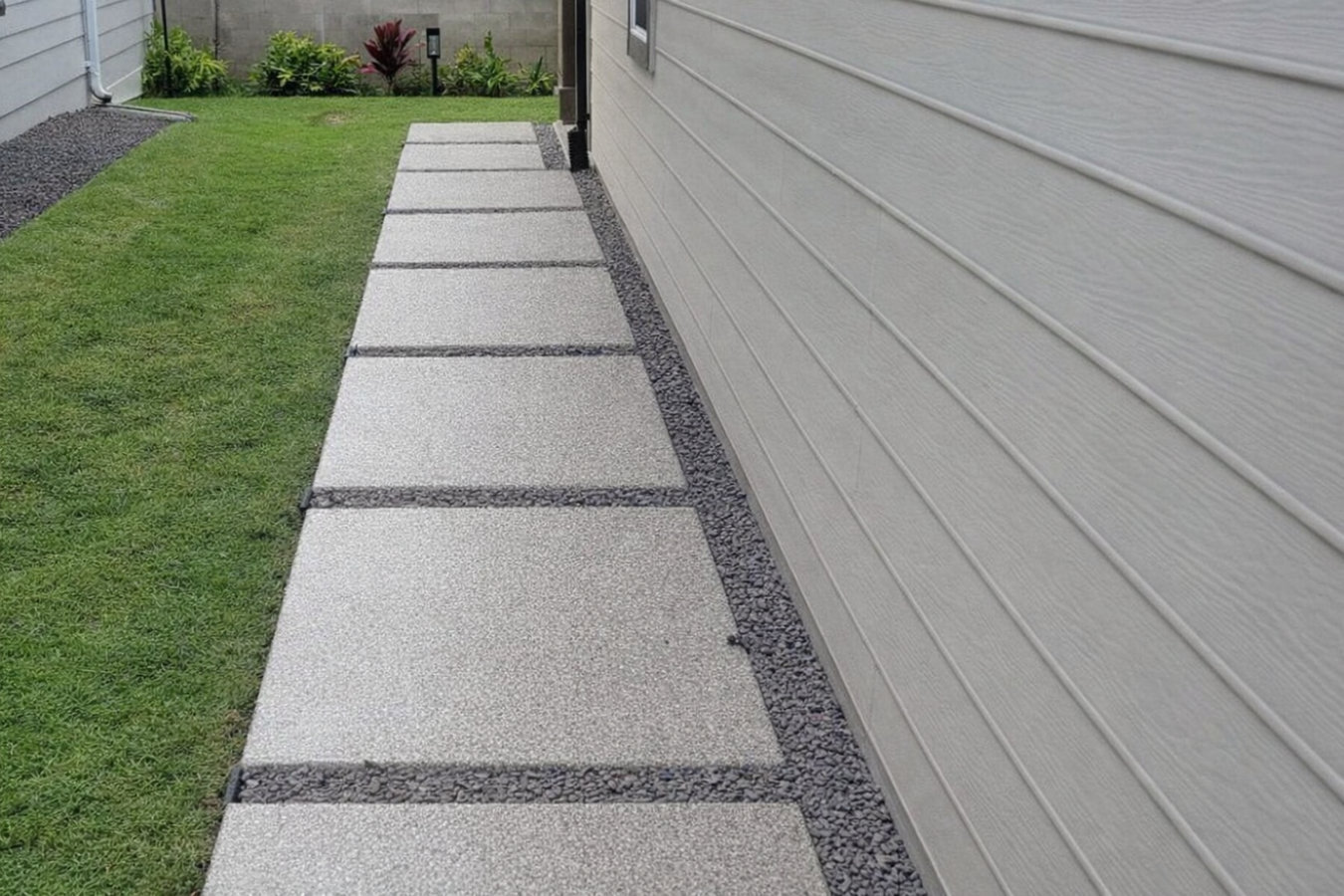
Concrete sidewalk building in Springfield involves removing the old surface, compacting a gravel base, setting forms, and pouring new concrete - most residential jobs take one to two days of active work, with foot traffic possible within 24 to 48 hours after the pour.
The biggest issue with failing sidewalks in Springfield is not the concrete itself - it is what is underneath. Clay soil shifts with moisture, and tree roots push panels up from below. A new sidewalk poured over the same unaddressed base problem will crack for the same reasons. That is why we address soil conditions and root conflicts before any concrete goes in. Homeowners who are also replacing a driveway often look at concrete driveway building at the same time to handle both projects in one mobilization.
Fairfax County requires a permit for most sidewalk work in Springfield. We handle that process for you so the job is documented and passes inspection - which matters more than most homeowners realize until they go to sell the house.
If you walk across your sidewalk and feel a panel shift under your foot, the base underneath has eroded or settled unevenly. This is a tripping hazard and a liability concern. In Springfield, this kind of settling is common in neighborhoods built in the 1970s and 1980s where clay soil movement has been working on the base for decades.
If a section of your sidewalk looks like it has been pushed up from below - one edge higher than the other or a visible hump - a tree root is almost certainly the cause. This is one of the most common sidewalk problems in Springfield's older, tree-lined neighborhoods and it is also a genuine tripping hazard for anyone walking by.
If the top layer of your concrete is peeling away in thin chips after winter, the surface has been weakened by freeze-thaw damage. Once this process starts it accelerates each season. You will notice it most in early spring when the snow melts and the damage from the previous winter becomes visible.
A properly built sidewalk has a slight slope that sends water off to the side. If you notice puddles sitting on your sidewalk after it rains, the slab has either settled unevenly or was never graded correctly. Standing water accelerates surface wear and, in winter, creates an icy patch that is dangerous for anyone using the path.
We build and replace concrete sidewalks for residential properties throughout the Springfield area. Every job includes proper base preparation - excavation, grading, and a compacted 4 to 6 inch gravel layer that buffers Springfield's clay soil movement. We cut control joints at the correct spacing so the slab has a place to flex without cracking randomly, and we protect the pour during curing so the surface comes out strong rather than chalky and weak.
For homeowners who also want to update the surface's appearance, we can finish the sidewalk with a broom texture for grip, an exposed aggregate look, or a brushed finish. If you are planning to replace a garage floor at the same time, combining both jobs into one visit keeps mobilization costs down - see our garage floor concrete page for details on that service.
Best for homeowners with multiple damaged or heaved panels where targeted repairs would not address the underlying base problem.
Suits properties adding a front walkway, side path, or connection between the driveway and a back gate for the first time.
Ideal when only a few panels are failed or tree-root damaged and the surrounding sections are still in good condition.
For homeowners who want broom texture, exposed aggregate, or a light color wash that fits the neighborhood aesthetic and any HOA requirements.
Springfield's climate puts concrete through a tough cycle every year. Temperatures regularly dip below freezing in winter and climb into the 90s in summer - that wide swing causes concrete to expand and contract repeatedly, which is one of the leading causes of cracking and surface flaking in this area. A contractor who knows Northern Virginia accounts for this by using the right concrete mix and cutting adequate control joints. Springfield also sits on dense clay soil that does not drain well. When it rains heavily, water pools on the surface and around foundations before slowly soaking in. Without a properly compacted gravel base to buffer that movement, a concrete slab can crack, tilt, or develop low spots within just a few years of installation.
Many of Springfield's established neighborhoods - including Annandale and Falls Church - have large mature trees lining their streets. Tree roots are a leading cause of sidewalk heaving and cracking in these areas. If your existing sidewalk has raised panels near a tree, we discuss root management options with you rather than simply pouring new concrete over the same problem. The U.S. Access Board also sets accessibility guidelines for slope and width where sidewalks connect to public streets - we build these requirements in automatically.
We reply within one business day. We ask about the length of the sidewalk, whether it is a replacement or new installation, and whether there are obvious complications like tree roots or a steep slope. There is no charge for estimates.
We walk the area with you, check soil conditions and nearby trees, and explain what we see. You get a written estimate that breaks down labor, materials, and permit fees - so you can compare quotes on equal footing.
For most Springfield sidewalk projects, Fairfax County requires a permit before work begins. We handle the application - it typically takes a few business days. Once the permit is in hand, you get a confirmed start date.
Day one is demolition and base preparation - the most important step for long-term durability. The pour and finish follow once the base is ready. We protect the curing concrete and do a final walkthrough with you before leaving.
Free estimate, no pressure. We handle the permit and reply within one business day.
(571) 788-4608Most Springfield sidewalk projects require a Fairfax County permit before work begins. We file the application, coordinate with the county, and make sure the job passes inspection - so you do not have to navigate that process yourself or worry about a stop-work order mid-project.
Springfield's clay soil swells when wet and shrinks when dry. We excavate, compact, and lay a proper gravel base before any concrete goes in - the step that most contractors undersize or skip on low-bid jobs, and the main reason sidewalks crack within a few years of installation.
Springfield's older neighborhoods have large, established trees whose roots cause sidewalk heaving throughout the area. We assess root conflicts during the estimate visit and discuss options with you - rather than simply pouring new concrete over the same problem and leaving you to call again in three years.
We work throughout Springfield and the surrounding communities in Fairfax County. Our crews know the local soil conditions, HOA requirements, and permit process - experience that translates directly into fewer surprises on your project.
A sidewalk built with the right base and proper joints is one of the most durable improvements you can make to a Springfield property. The Portland Cement Association publishes the standards that define quality concrete flatwork - and following them is not optional when Northern Virginia winters are part of the equation.
Replace a crumbling or oil-stained garage floor slab with a new concrete pour that is level, sealed, and built to last.
Learn MoreUpgrade from a cracked or aging driveway to a new concrete slab that handles Springfield's freeze-thaw winters and clay soil.
Learn MoreSpring booking slots fill fast in Northern Virginia - contact us now to lock in your start date before the season gets away from you.