Loading...
Serving Springfield, VA and surrounding areas. (571) 788-4608
Springfield's clay soil and freeze-thaw winters put real pressure on any foundation. We handle excavation, forming, drainage, waterproofing, and Fairfax County permits from first call to final sign-off.
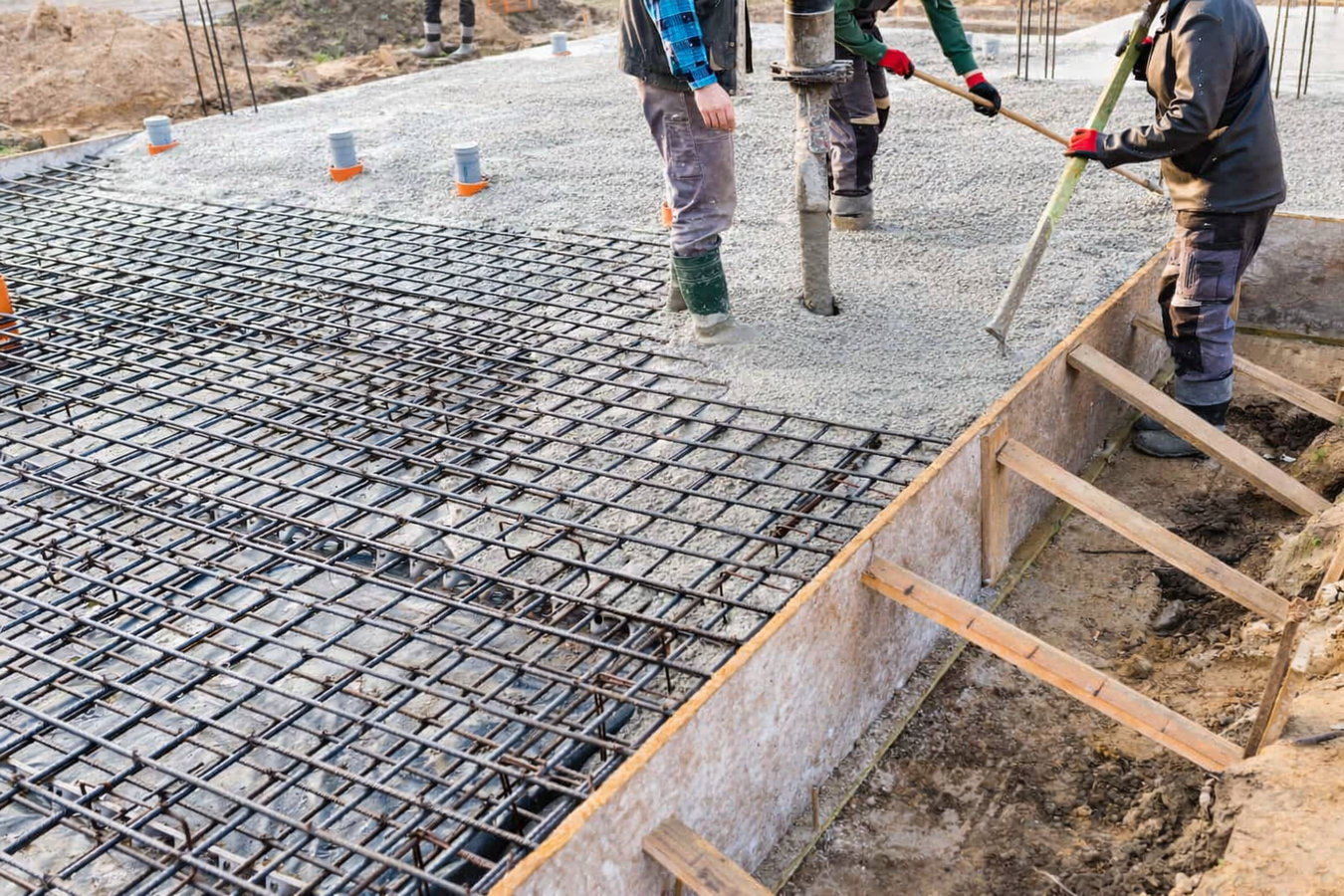
Foundation installation in Springfield covers excavating to the required depth, setting up concrete forms to shape the walls or slab, scheduling the Fairfax County pre-pour inspection, pouring and curing the concrete, applying waterproofing to the exterior, and backfilling the surrounding soil - most residential projects run one to three weeks of active construction, plus one to two weeks for county permit approval before work begins.
Homeowners in Springfield most often need foundation installation for one of three reasons: they are building an addition or accessory structure, they are replacing a deteriorated foundation on a home from the 1960s or 1970s, or they discovered a problem - water intrusion, cracking, or uneven floors - that points to a foundation issue rather than a surface one. Fairfax County's heavy clay soil makes drainage and waterproofing especially important here, because water that pools against foundation walls does not drain away the way it would on a sandier lot. If your project also involves a flat concrete platform for an attached structure, our slab foundation building service handles that piece alongside the foundation work.
If doors or windows that used to open and close smoothly are now sticking, jamming, or leaving visible gaps at the corners, the frame of your home may be shifting. This kind of movement often starts at the foundation. In Springfield's older neighborhoods, this is a common early warning sign in homes built in the 1960s and 1970s as their original foundations age.
Small hairline cracks in concrete are normal as it ages, but cracks wider than a quarter-inch, running diagonally from corners, or growing over time are worth taking seriously. In Fairfax County's clay-heavy soil, the ground's seasonal swelling and shrinking puts ongoing stress on foundation walls, and that stress shows up as cracking before more serious structural movement begins.
If you notice damp walls, puddles, or a musty smell in your basement after a heavy rain, water is finding a way through or around your foundation. Springfield's clay soil does not drain well, so water pools against foundation walls rather than soaking away - making this problem more common here than in areas with sandier soil.
If your floors slope noticeably toward one side of a room, or feel springy or soft in spots, the structure beneath them may not be sitting on a solid base. This can happen when a crawl space foundation settles unevenly - something more likely in areas with expansive clay soil like Springfield's. A contractor can assess what is happening after a site visit.
Most foundation work in Springfield falls into new installation or replacement. For new construction and additions, we handle everything from permit to backfill - excavating the footprint, setting forms for poured concrete walls, scheduling the county inspection, pouring and curing the concrete, and waterproofing before soil goes back in. For older homes where the original foundation has reached end of life, we assess what is there first, communicate any underground surprises, and give you a clear plan before any work begins.
Foundation work is closely related to other structural concrete services. If your project includes a standalone flat slab for a detached structure, our slab foundation building service handles that piece. For commercial or multi-use properties that need expanded parking, we also offer concrete parking lot building - both can be scoped together during a single site visit if needed.
Suited for new homes, major additions, and replacement of deteriorated basement or crawl space walls in Springfield's established neighborhoods.
Suited for attached additions requiring a new foundation section that ties into the existing structure at a matching elevation.
Suited for older Springfield homes - typically built in the 1960s and 1970s - where the original foundation has aged past the point of repair.
Suited for properties near Accotink Creek or in low-lying areas with a higher water table, where standard waterproofing alone is not sufficient.
Fairfax County's predominant soil type is heavy clay, and clay behaves very differently from the sandier soils common in other parts of the country. It absorbs water slowly, holds it against foundation walls, and then shrinks back when dry - creating a push-pull pressure cycle that stresses concrete over time. Proper drainage design and waterproofing are not optional extras on a foundation job in this area - they are what separates a foundation that lasts decades from one that starts showing water intrusion within a few years. Properties near Accotink Creek and its tributaries, which run through parts of Springfield, may also encounter a higher water table during excavation, requiring additional drainage measures from the start. We have completed foundation projects across Woodbridge, VA and Manassas, VA where the same clay-soil and drainage considerations apply.
The other factor specific to Springfield is the age of the housing stock. Most neighborhoods here were developed between the late 1950s and early 1980s, and foundations from that era are now reaching the end of their useful life in some homes. Replacement on an occupied older home requires careful shoring and staging - the existing structure has to be supported while the old foundation comes out and the new one is poured. That is a different level of work from new construction, and it rewards contractors who know what to expect in homes of that age and era. The American Concrete Institute publishes technical standards for residential concrete construction that guide our forming, reinforcement, and curing practices on every project.
We reply within one business day and schedule a site visit to assess the soil conditions, check for drainage challenges, and measure the project footprint. You will receive a written estimate that breaks down excavation, forming, pouring, waterproofing, and drainage - no number given without seeing the site first.
Your contractor is responsible for pulling the required Fairfax County building permit before any digging begins. This typically takes a few business days to two weeks depending on the county's current workload. You do not need to manage this yourself - a licensed contractor handles it, but confirm it is done before any equipment arrives on your property.
Once permits are approved, the crew excavates to the required depth. In Springfield's clay soil, this stage sometimes reveals unexpected conditions - roots, old fill material, or groundwater - that need to be addressed before forming can begin. We communicate any surprises before making a decision that affects your plan or cost.
A Fairfax County inspector visits before the pour to confirm the setup meets code. After the concrete cures, we apply waterproofing to the exterior walls, install drainage components at the base, and backfill. We clean up the work area and walk you through the finished foundation with permit and inspection records in hand.
We visit your property in person before quoting anything. No obligation, no pressure - just a straight answer on what your project involves and what it is likely to cost in this area.
(571) 788-4608Springfield's heavy clay soil holds water against foundation walls rather than letting it drain away. We treat drainage as a core design element - not an optional upgrade - so your basement or crawl space stays dry through Northern Virginia's wet springs and heavy summer storms.
We handle every permit application and coordinate directly with the county inspector at each required stage. Nothing gets covered up before it has been approved. When the job is done, you have a clean permit record and the county sign-off - independent confirmation that the work meets code, not just our assurance.
Many Springfield homes were built in the 1960s and 1970s and sometimes have surprises waiting underground - old fill material, deteriorated footings, or drainage issues not visible from the surface. We walk you through any unexpected findings before making a decision, so you are never blindsided by a cost or delay you did not see coming.
Northern Virginia winters bring repeated freeze-thaw cycles, and a concrete pour that is not handled correctly in cold weather can lose strength before it sets. We schedule and manage cold-weather work with the right precautions in place - so a February frost does not turn into a spring problem with your foundation.
Every foundation project we complete in Fairfax County goes through the county's permit and inspection process - not as a formality, but because an independent inspector verifying the work at key stages is a genuine protection for you as the homeowner. You can verify our Virginia contractor license through the Virginia Department of Professional and Occupational Regulation before signing anything.
Commercial-grade concrete parking surfaces built to Fairfax County standards, from small lots to multi-bay pads.
Learn MoreFlat concrete slabs for additions, detached garages, and accessory structures on Springfield residential lots.
Learn MoreSpring project slots fill fast in Fairfax County - contact us now so your permit can be in process before the busy season peaks.